MATURE TREES · NORCO, CALIFORNIA
Date Palms
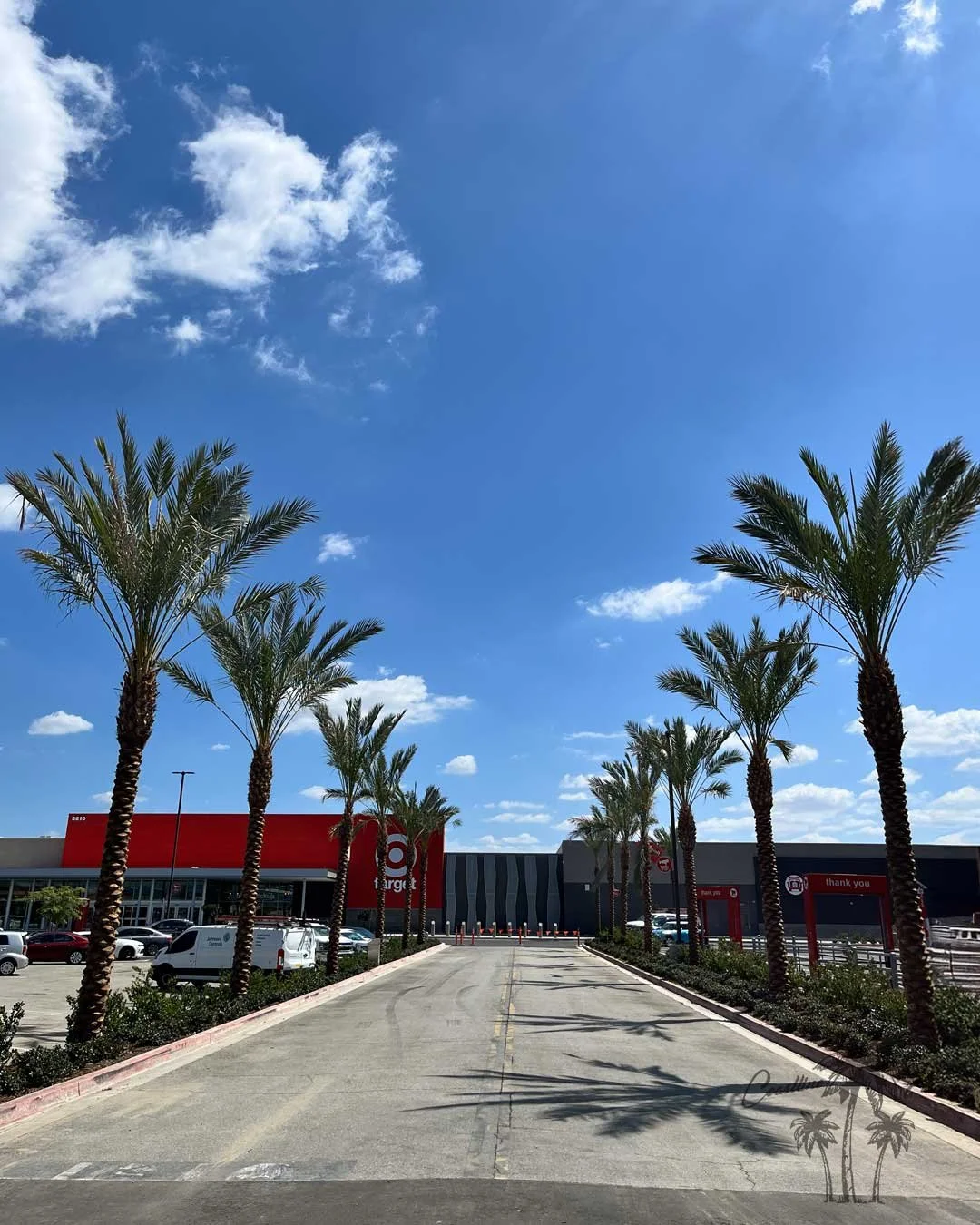
A graceful silhouette.
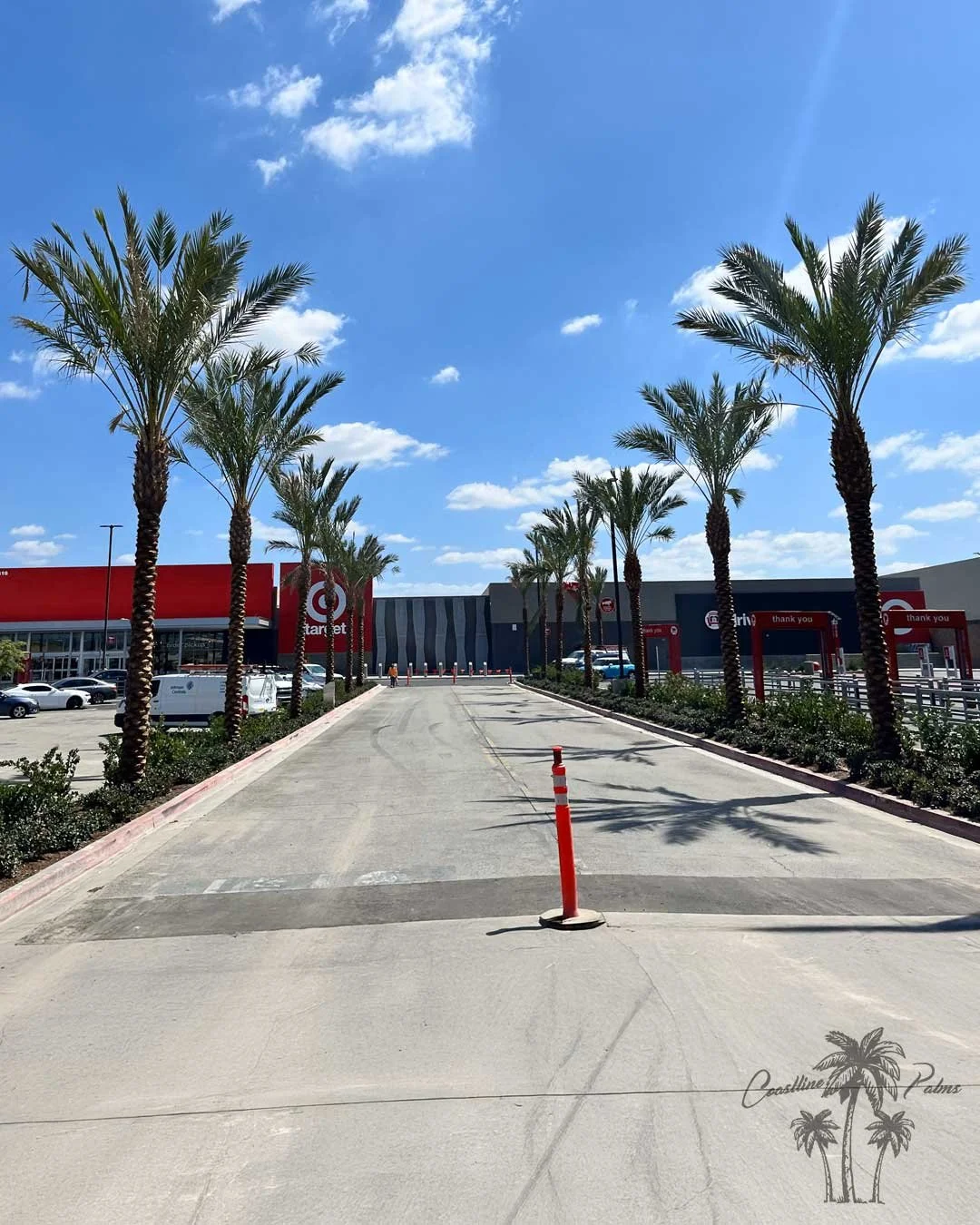
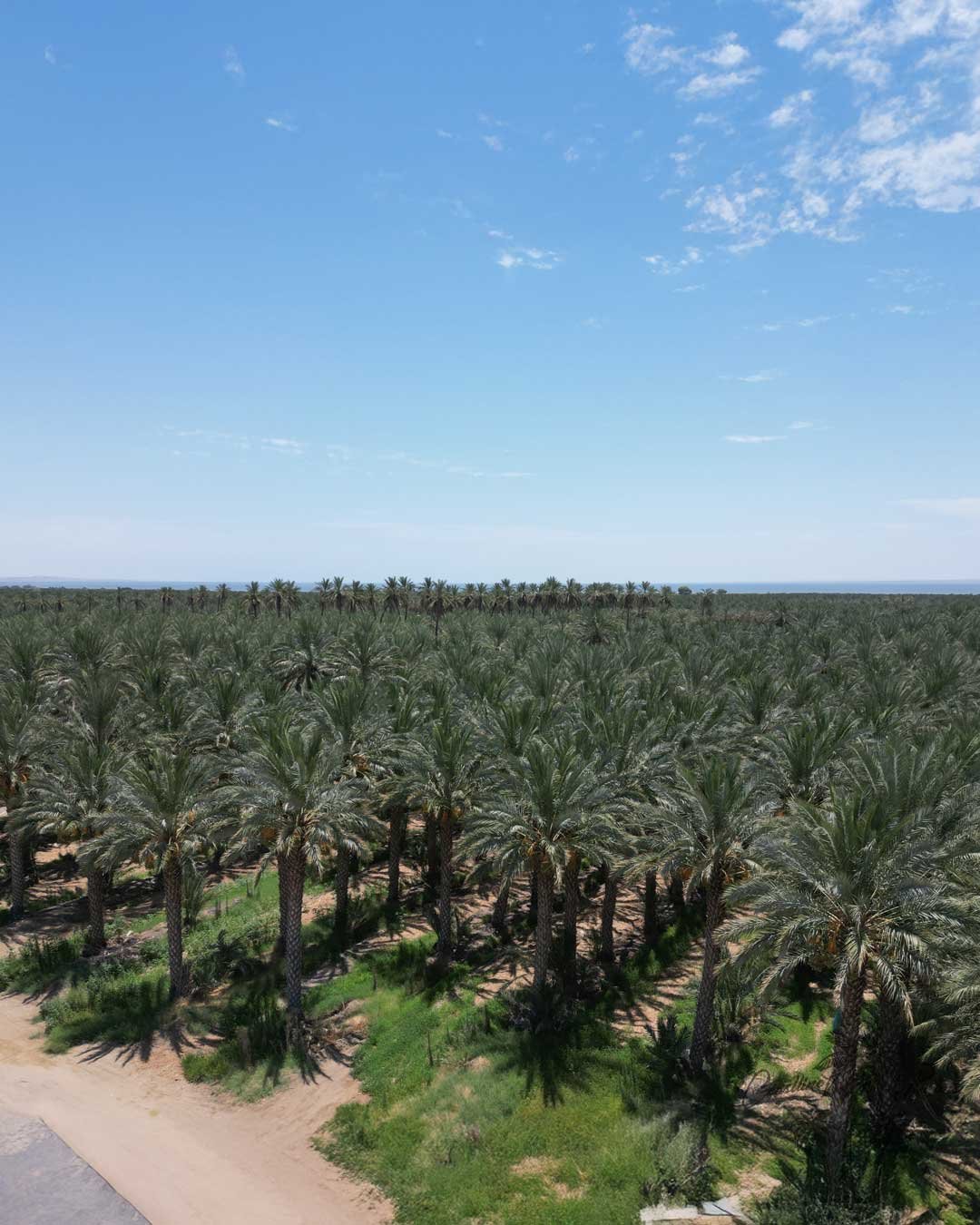
A landscape with scale.
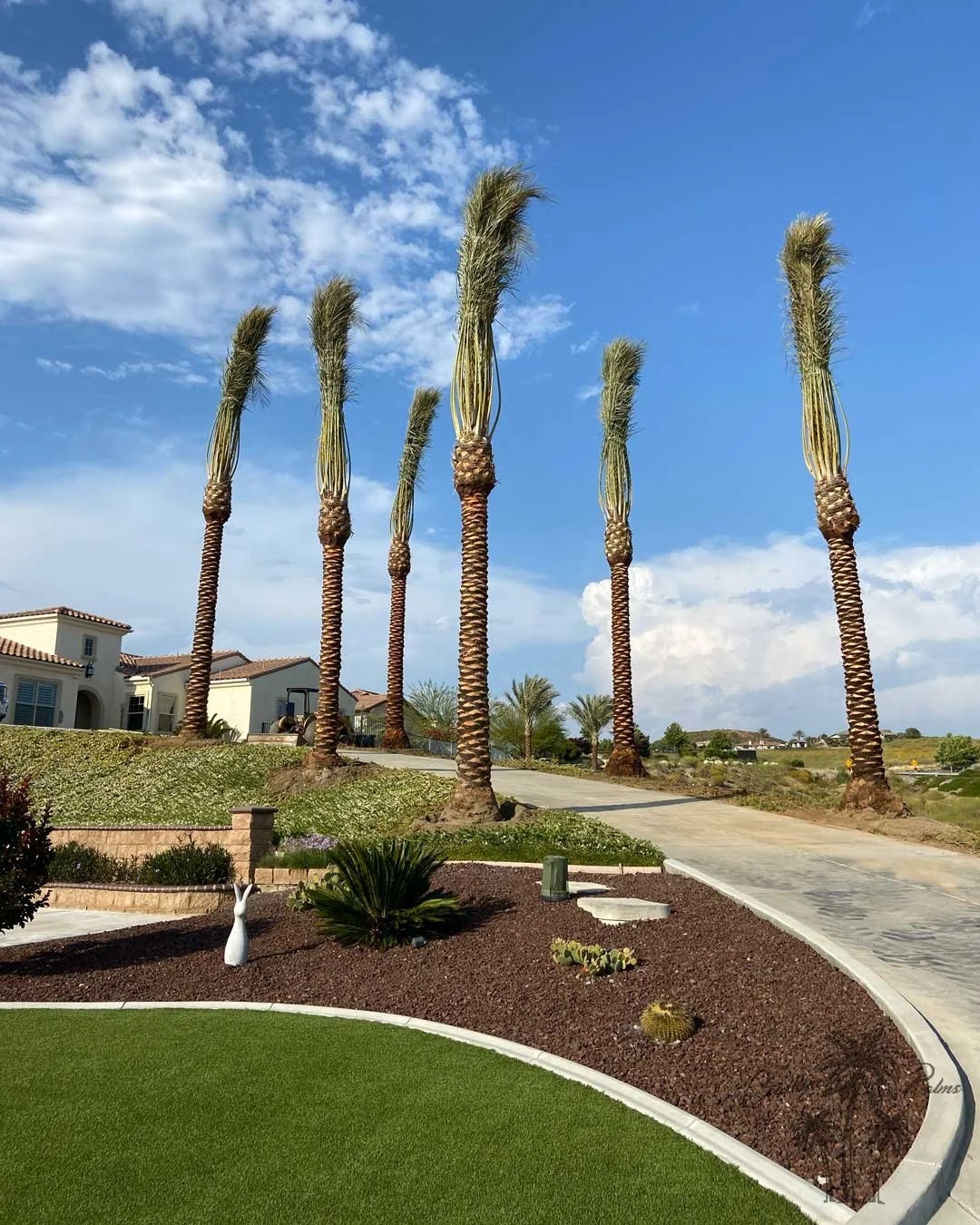
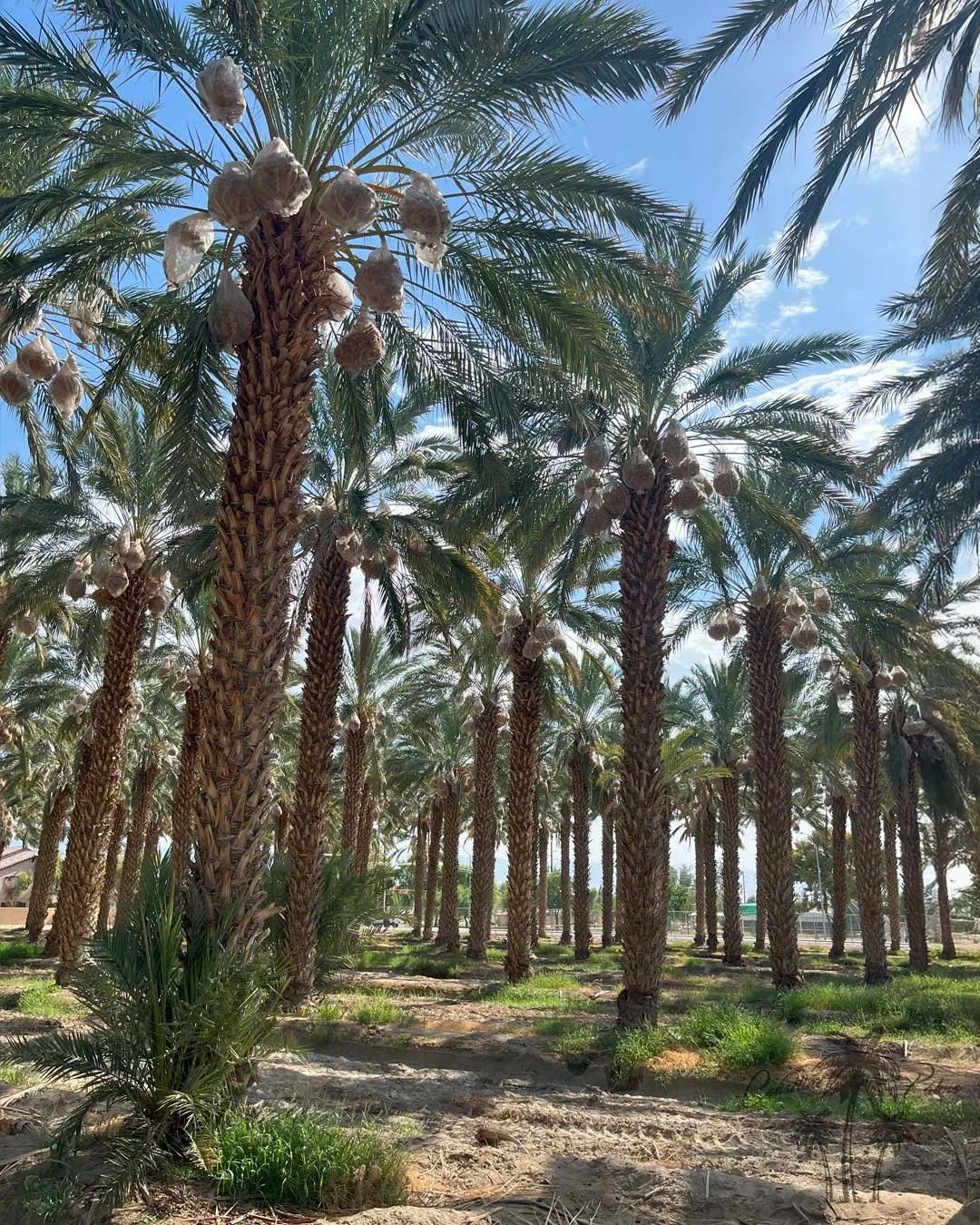
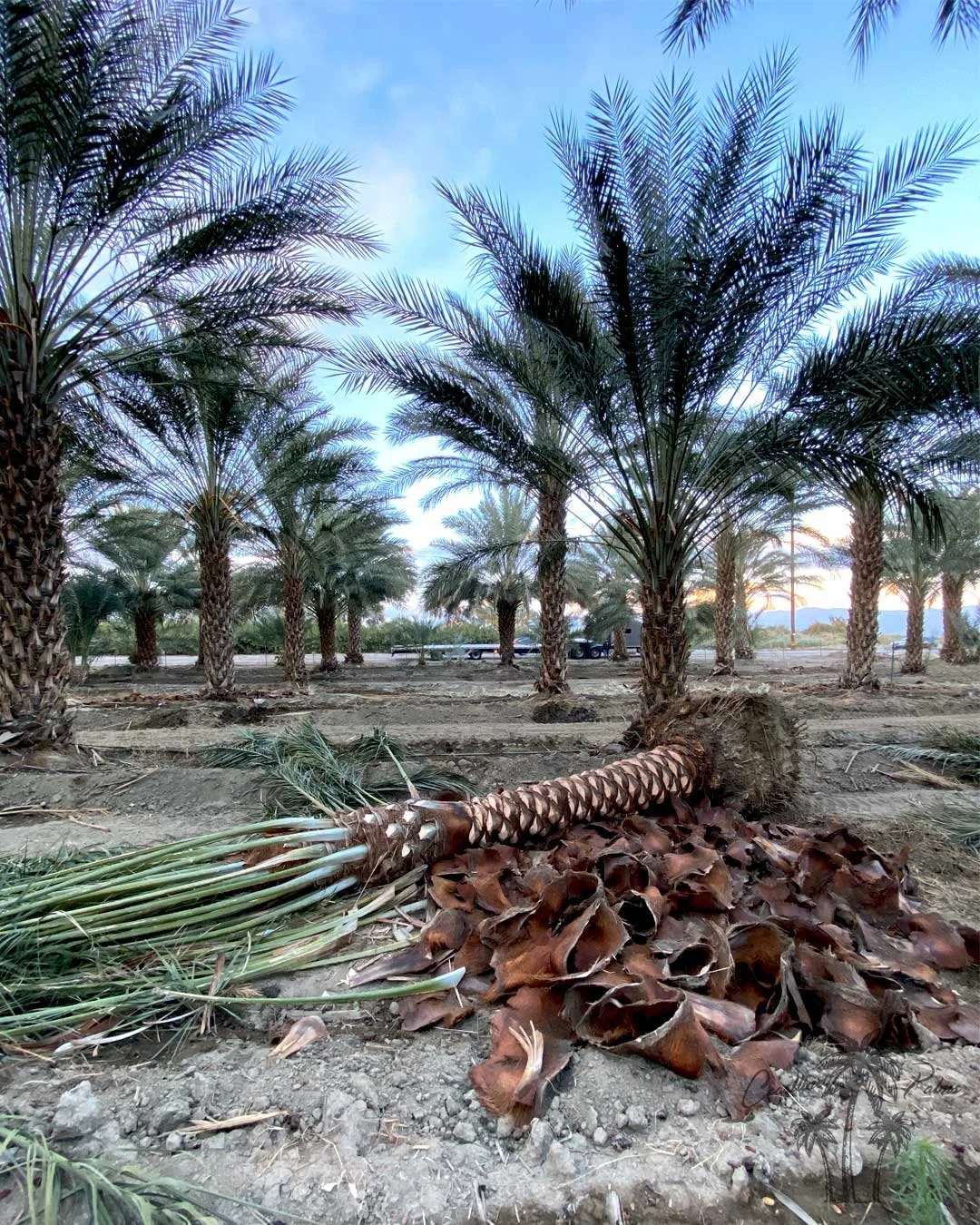
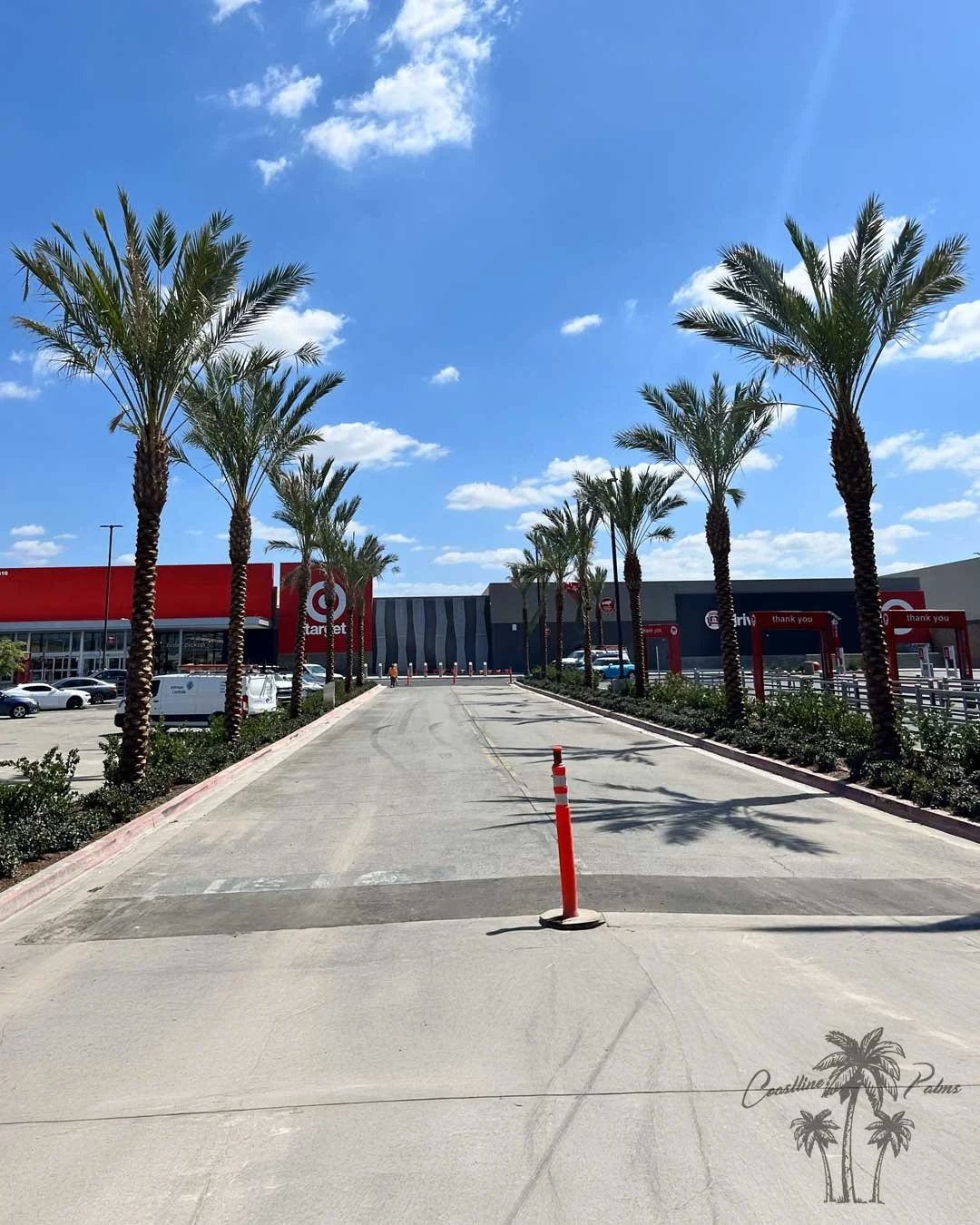
Date Palms for residential, commercial, and hospitality landscapes. Choose a feature specimen or discuss a coordinated planting with Coastline Palms.
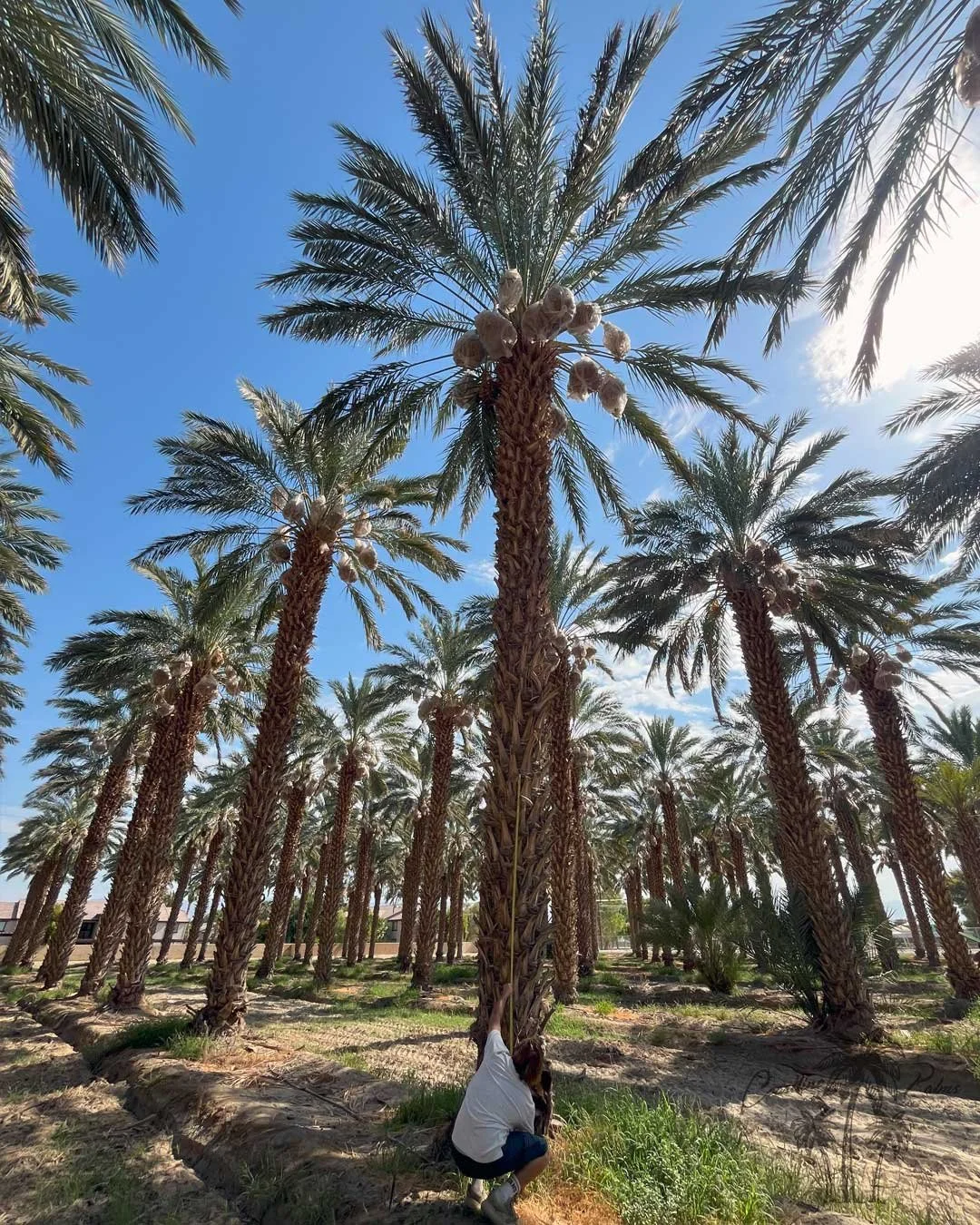
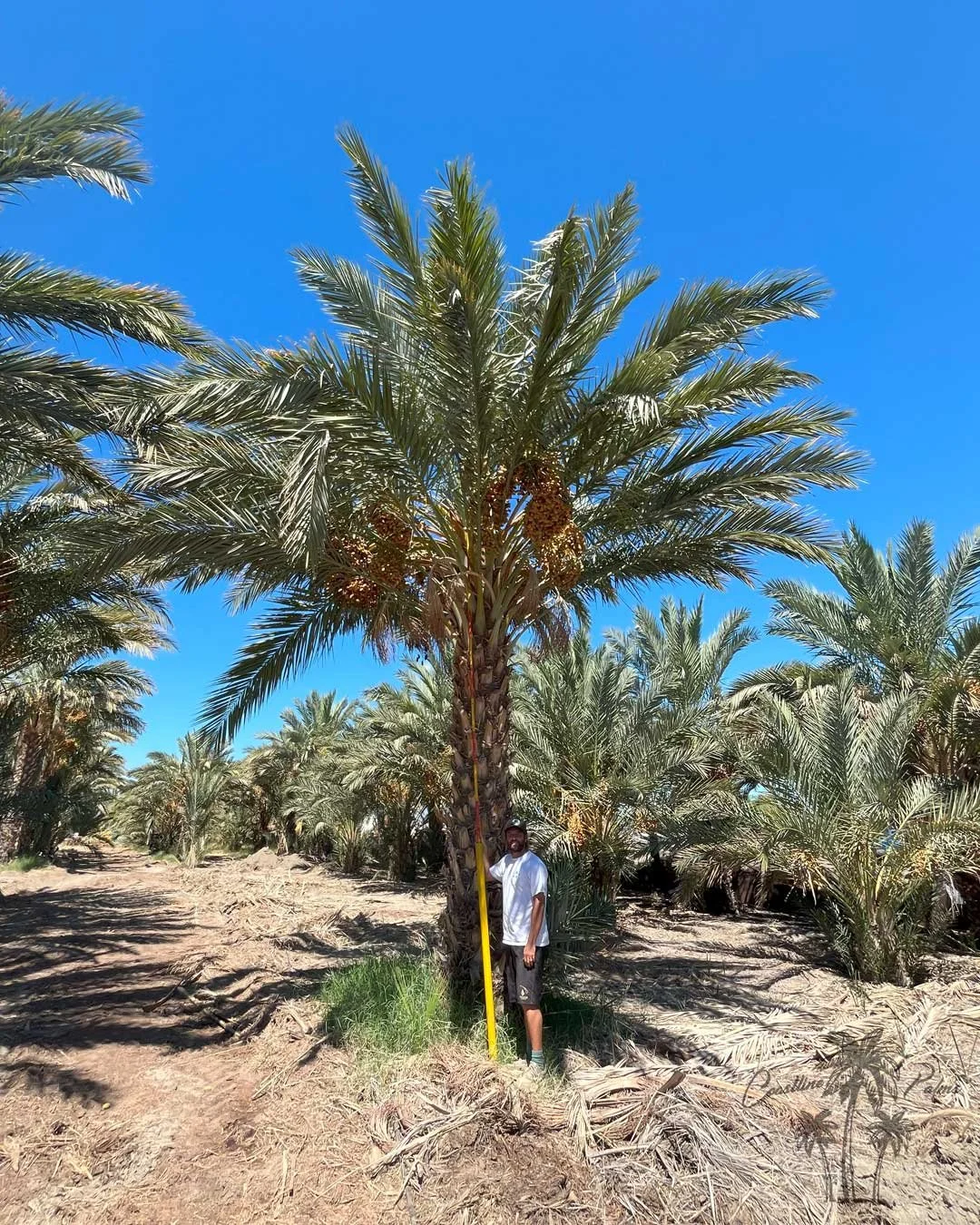
Normal supply range 7 ft to 25 ft+ · Current options confirmed by request
EXPLORE THIS CATEGORY
Date Palm
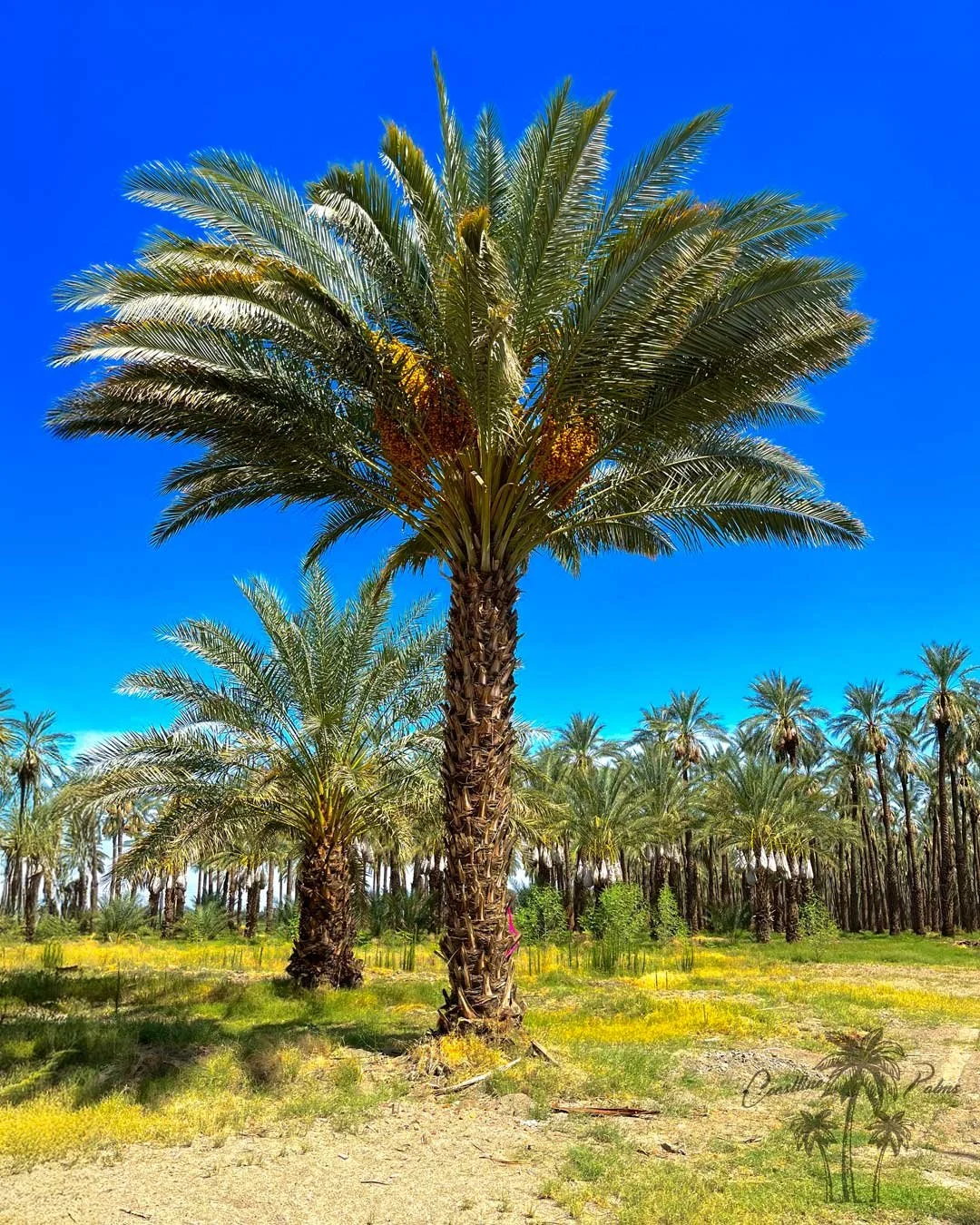
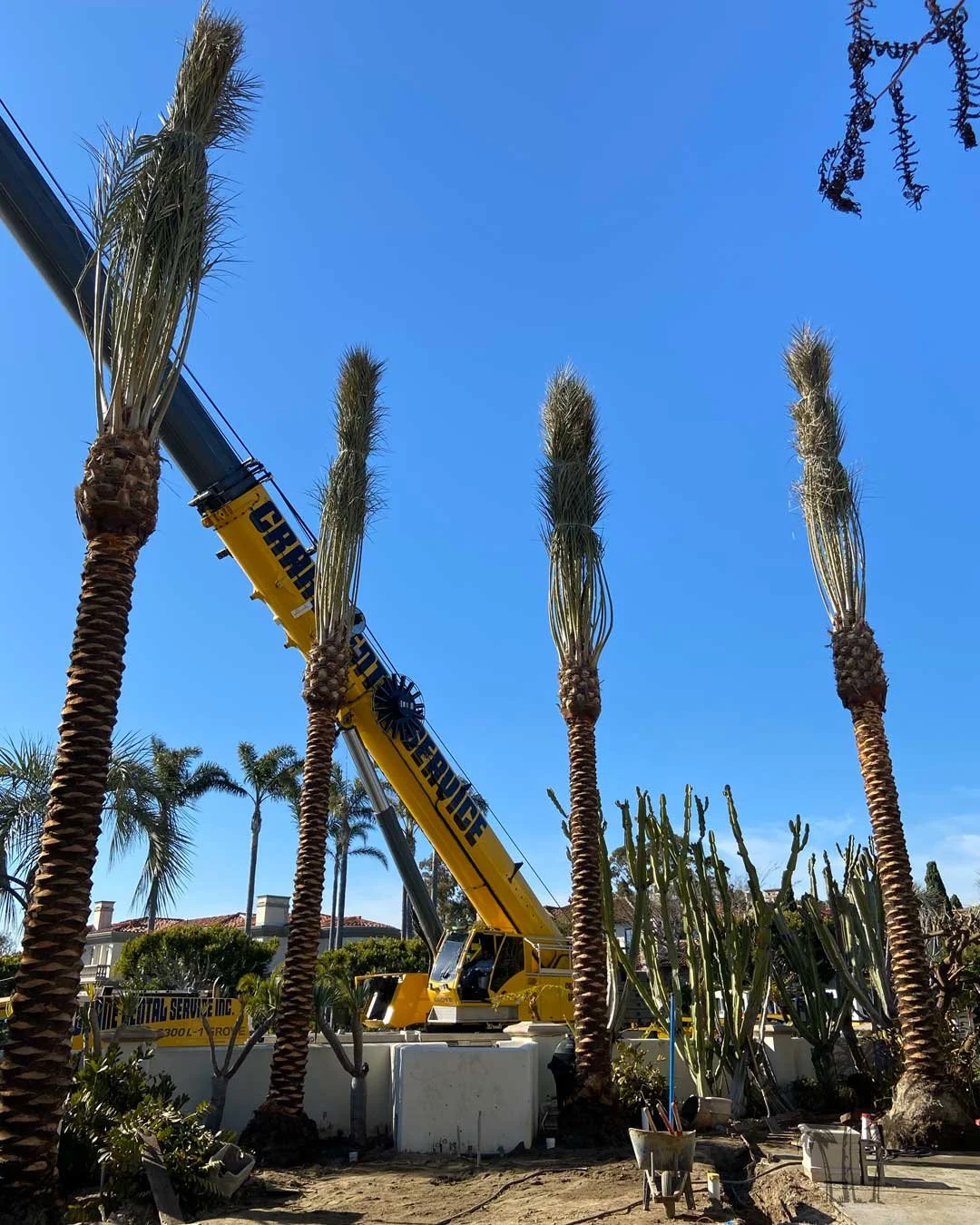
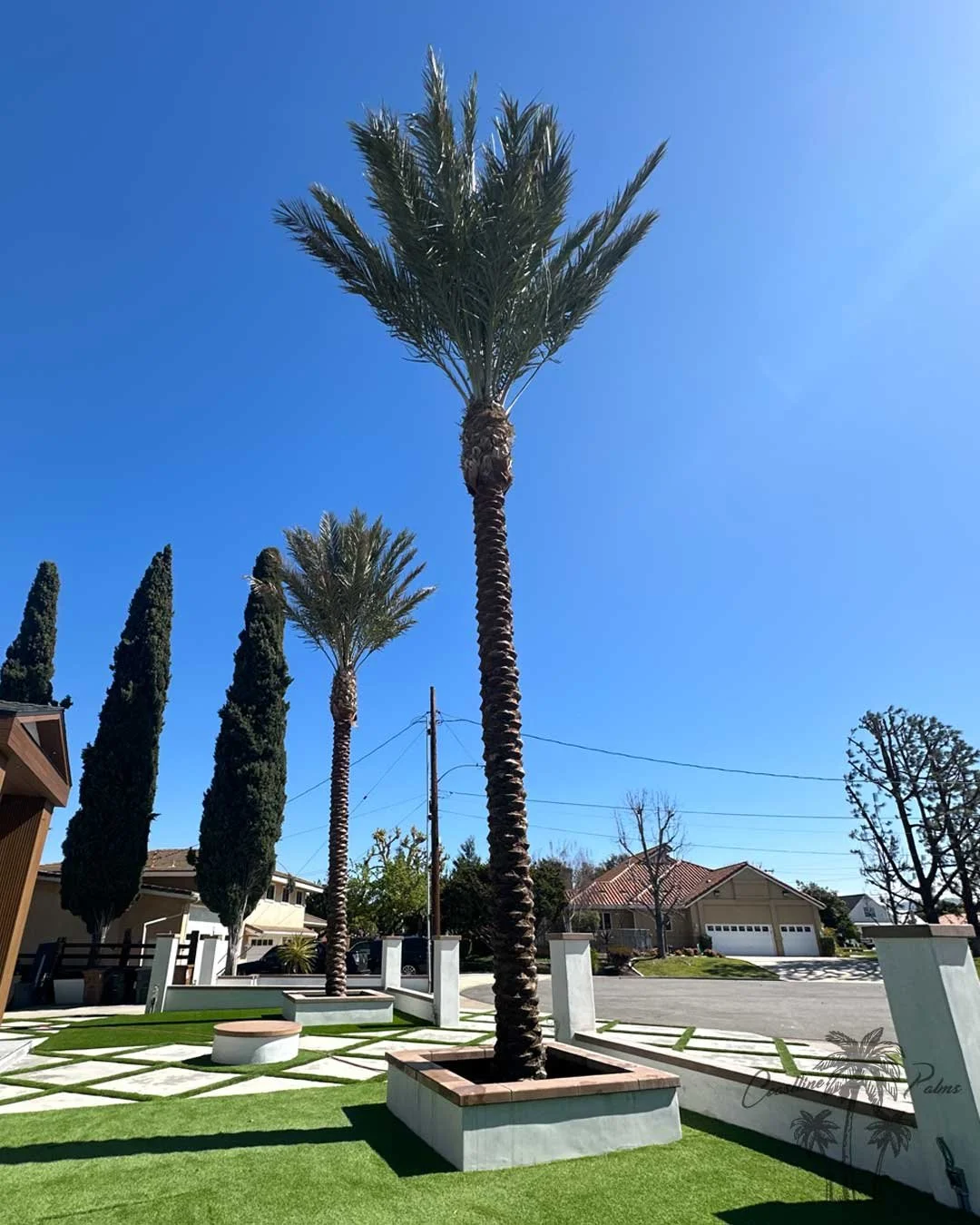
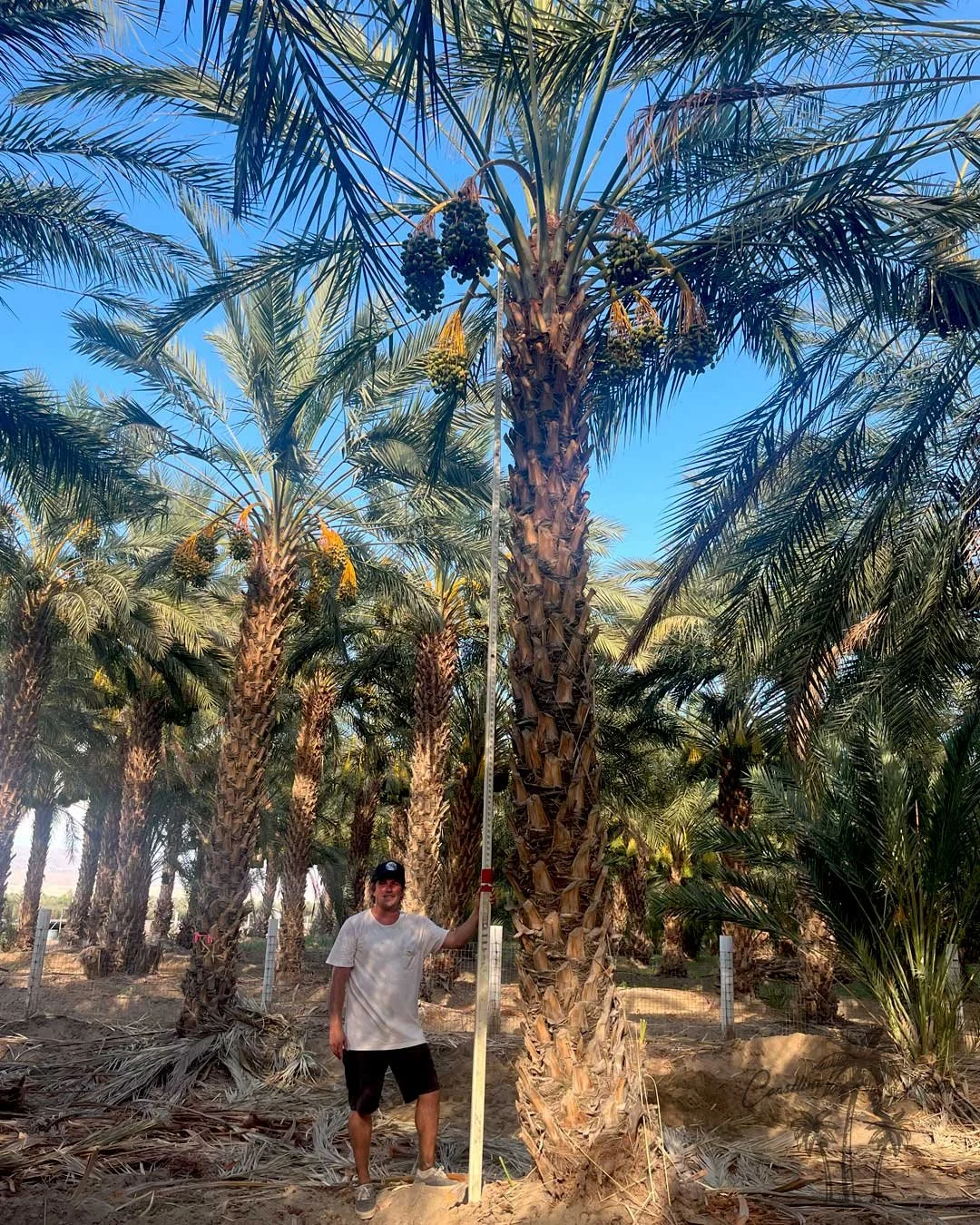
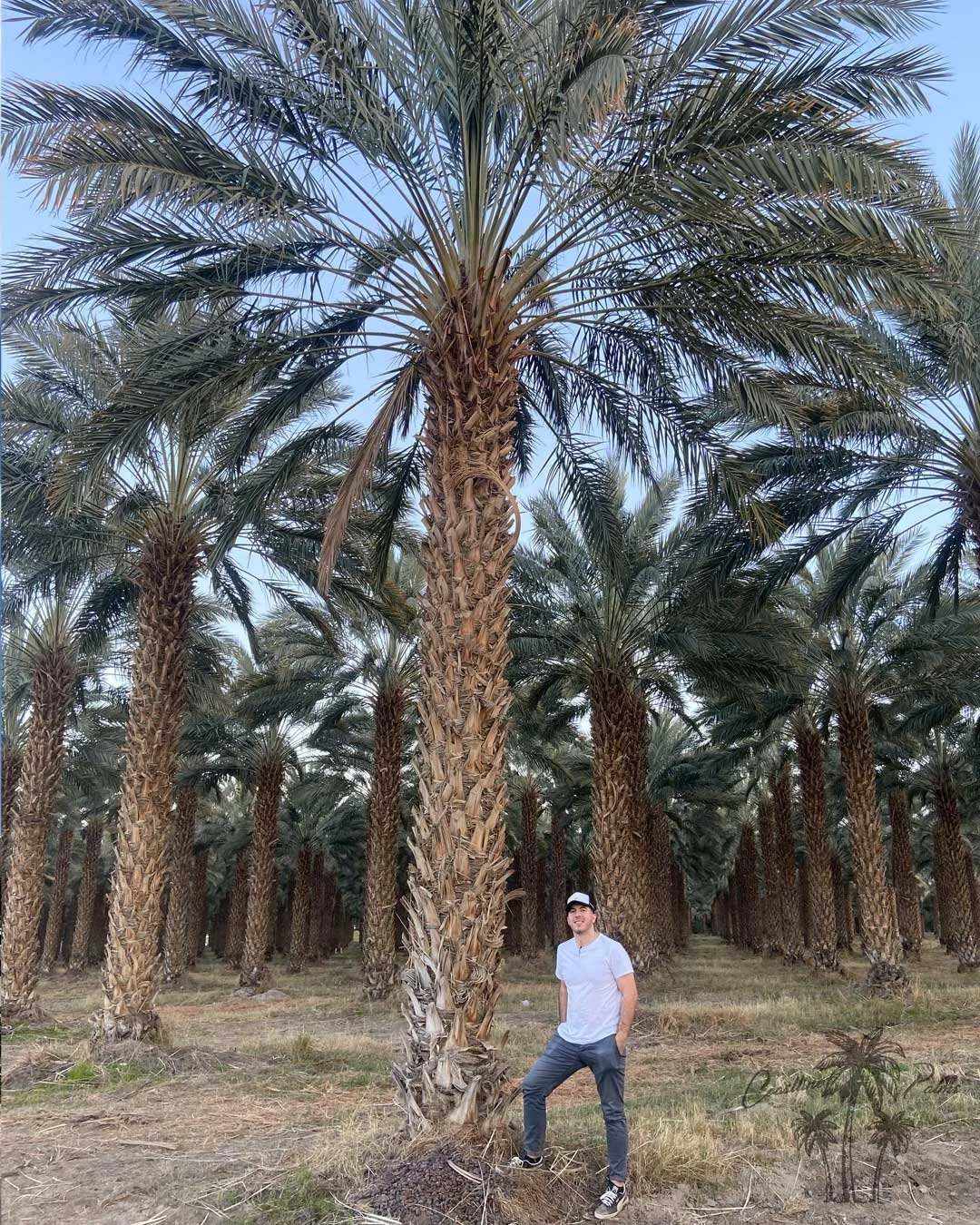
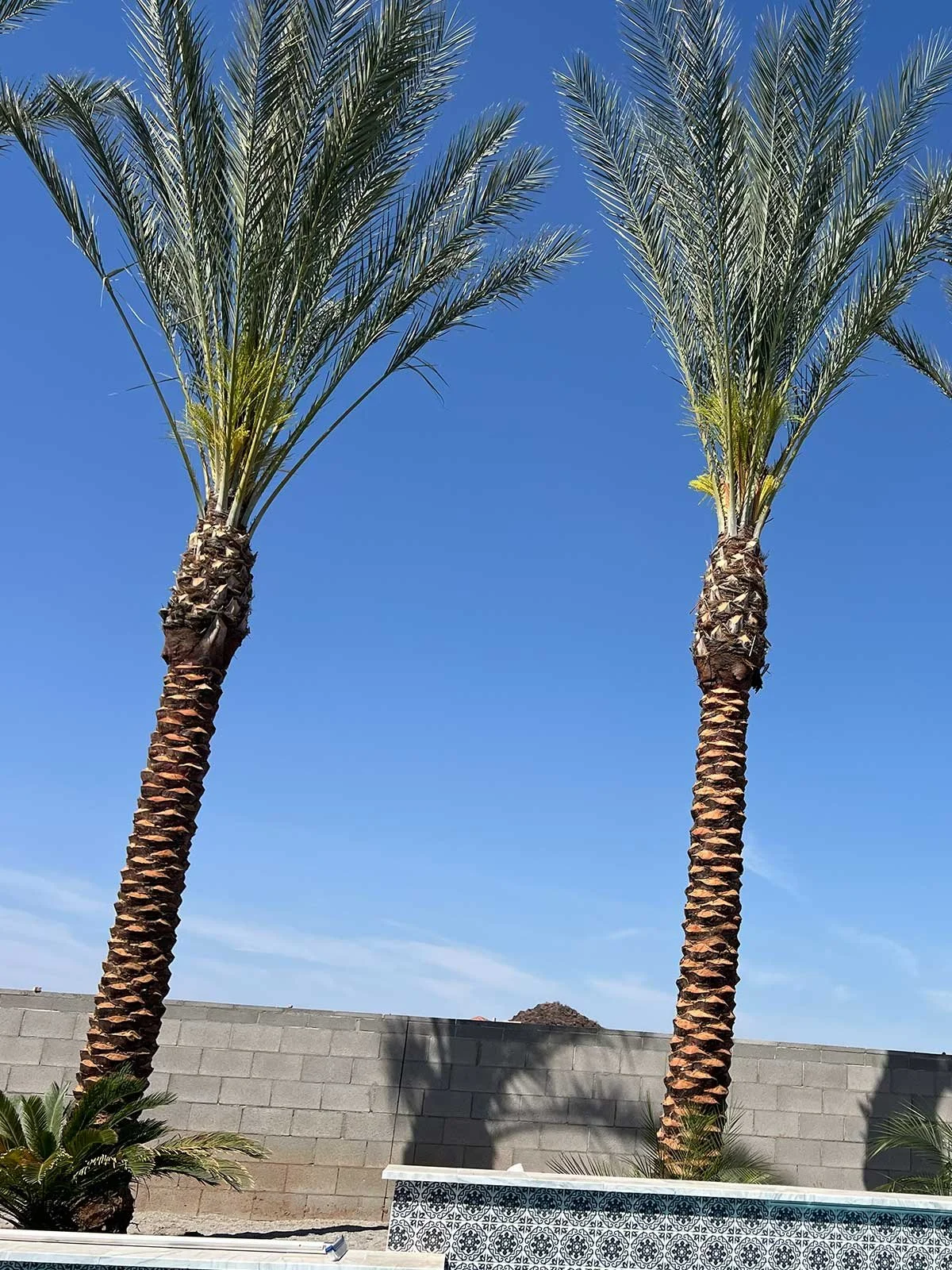
The Date Palm has a slender trunk and a crown of arching, feather-shaped fronds. Start with your desired height, planting arrangement, and site access. Confirm the exact tree dimensions and selection with Coastline before planning delivery.
TREE SELECTION
Date Palm
Phoenix dactylifera
Coastline’s normal supply range is 7 ft to 25 ft+. This describes typical sourcing sizes, not botanical maximum height or live stock. Confirm the available specimens and their measurements by inquiry.
View tree details ↗Ask about Date Palms ↗
PLAN YOUR PLANTING
Choose the tree
for the space.
Share the desired height, canopy form, and quantity. We’ll help identify options for your site and coordinate tree selection. Individual specimens and larger orders are discussed directly.
Discuss your selection ↗BUILT FOR A BIGGER VISION
From one specimen
to a complete project.
Established in Southern California in 2019, Coastline Palms works with more than 10 growers to source mature trees for homeowners, landscape professionals, designers, and developers.
Tell us your tree requirements and destination. We’ll confirm suitable options for an individual feature or a coordinated landscape planting.
Discuss your project ↗DELIVERY & INSTALLATION
Plan the tree.
We’ll help plan the move.
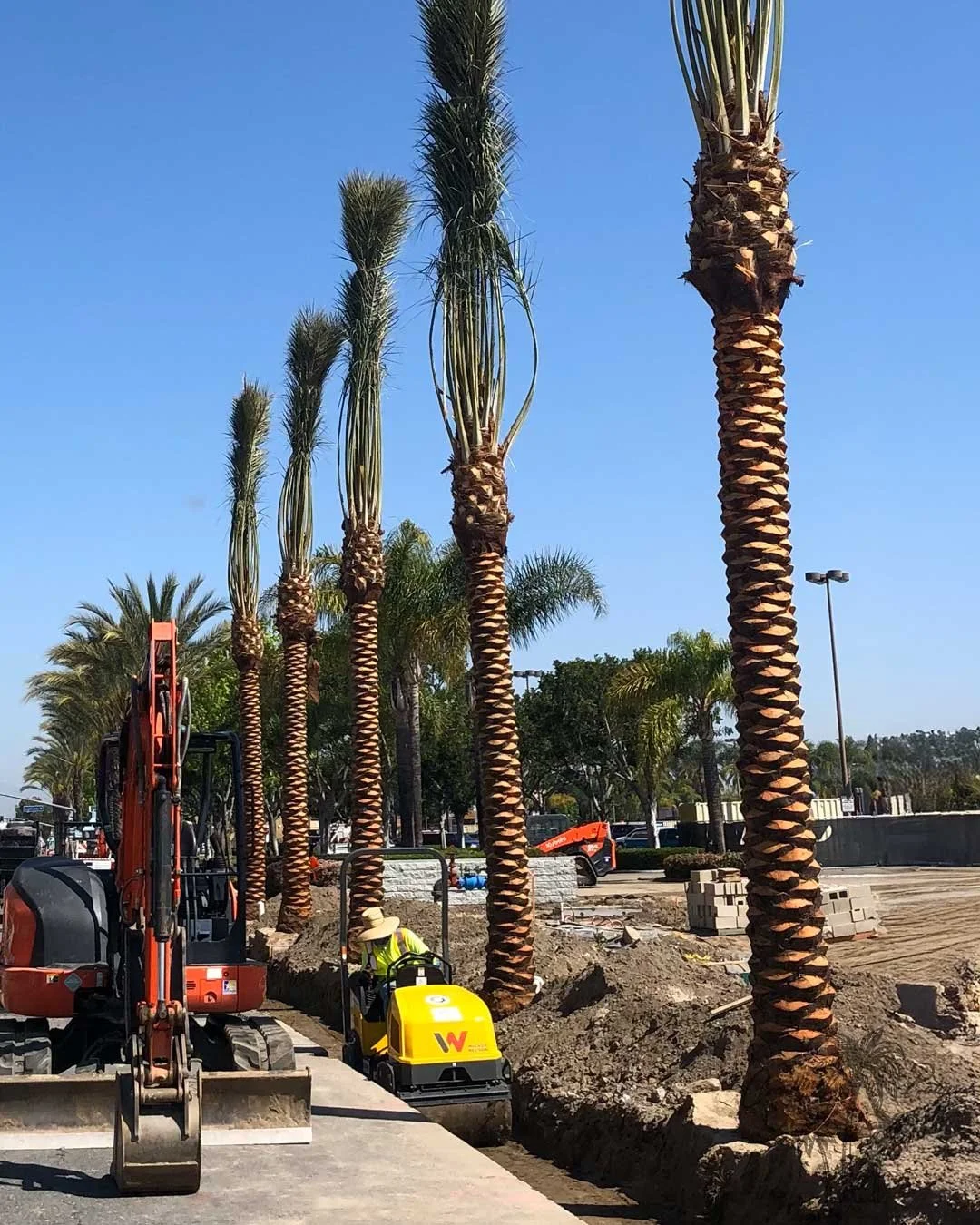
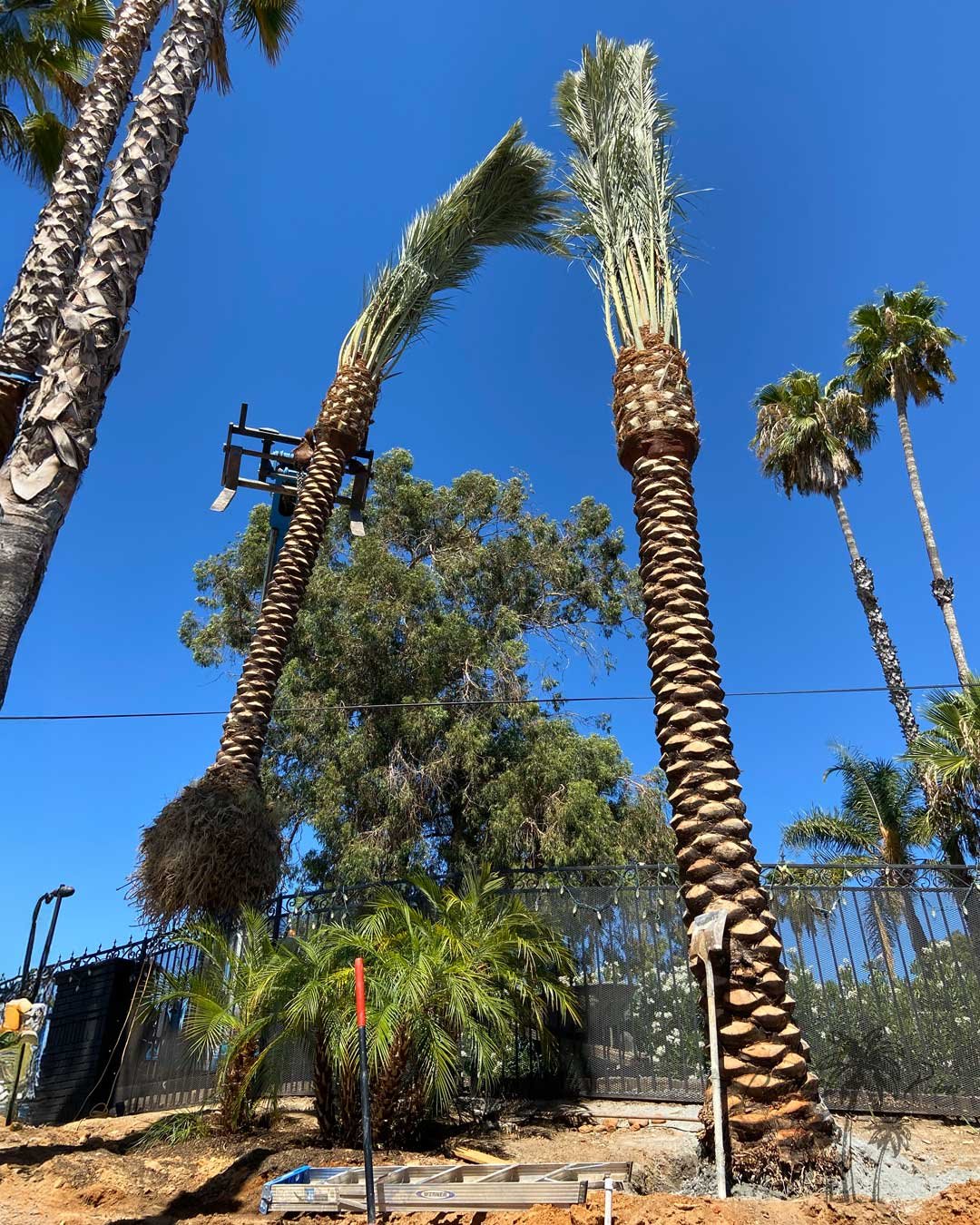
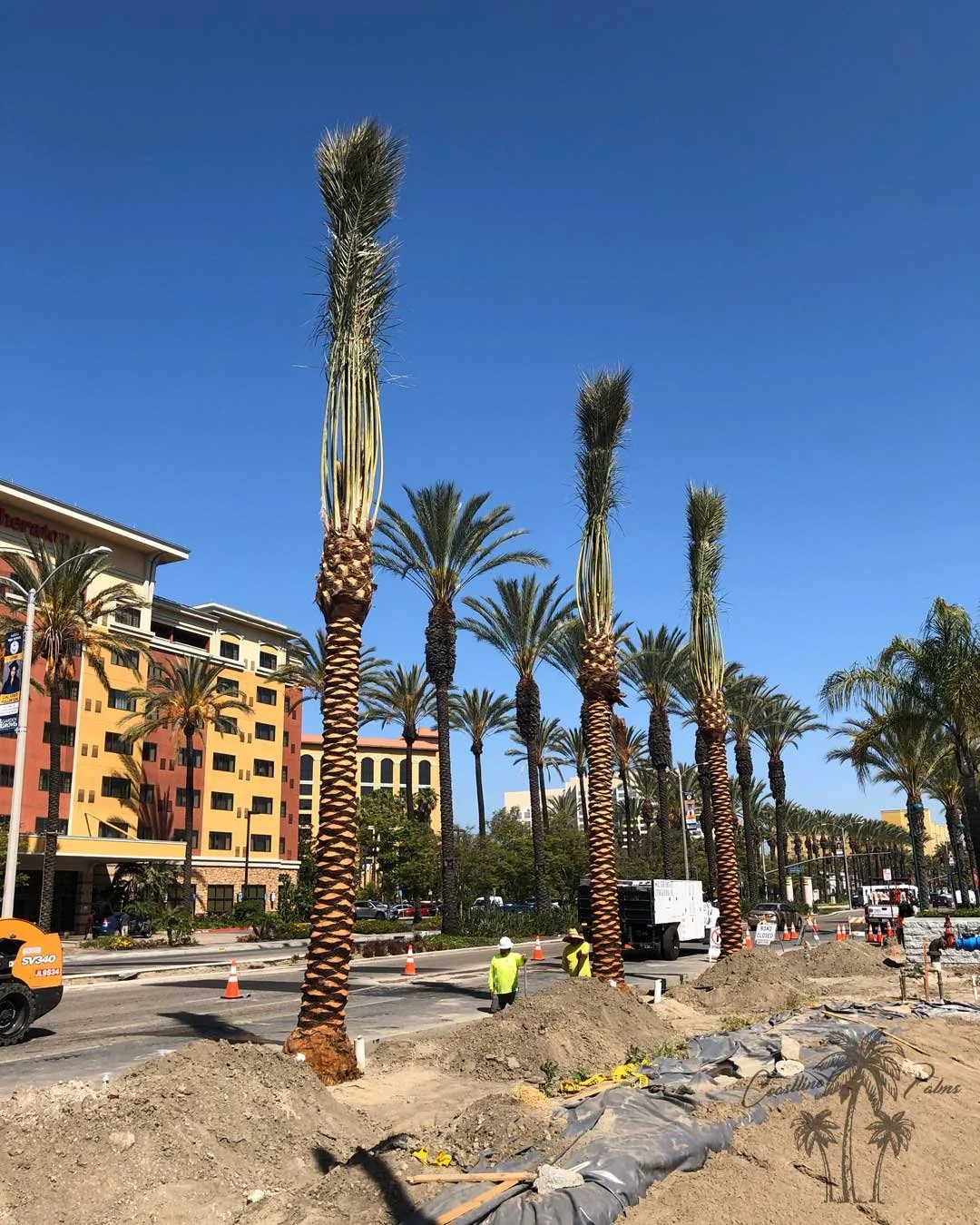
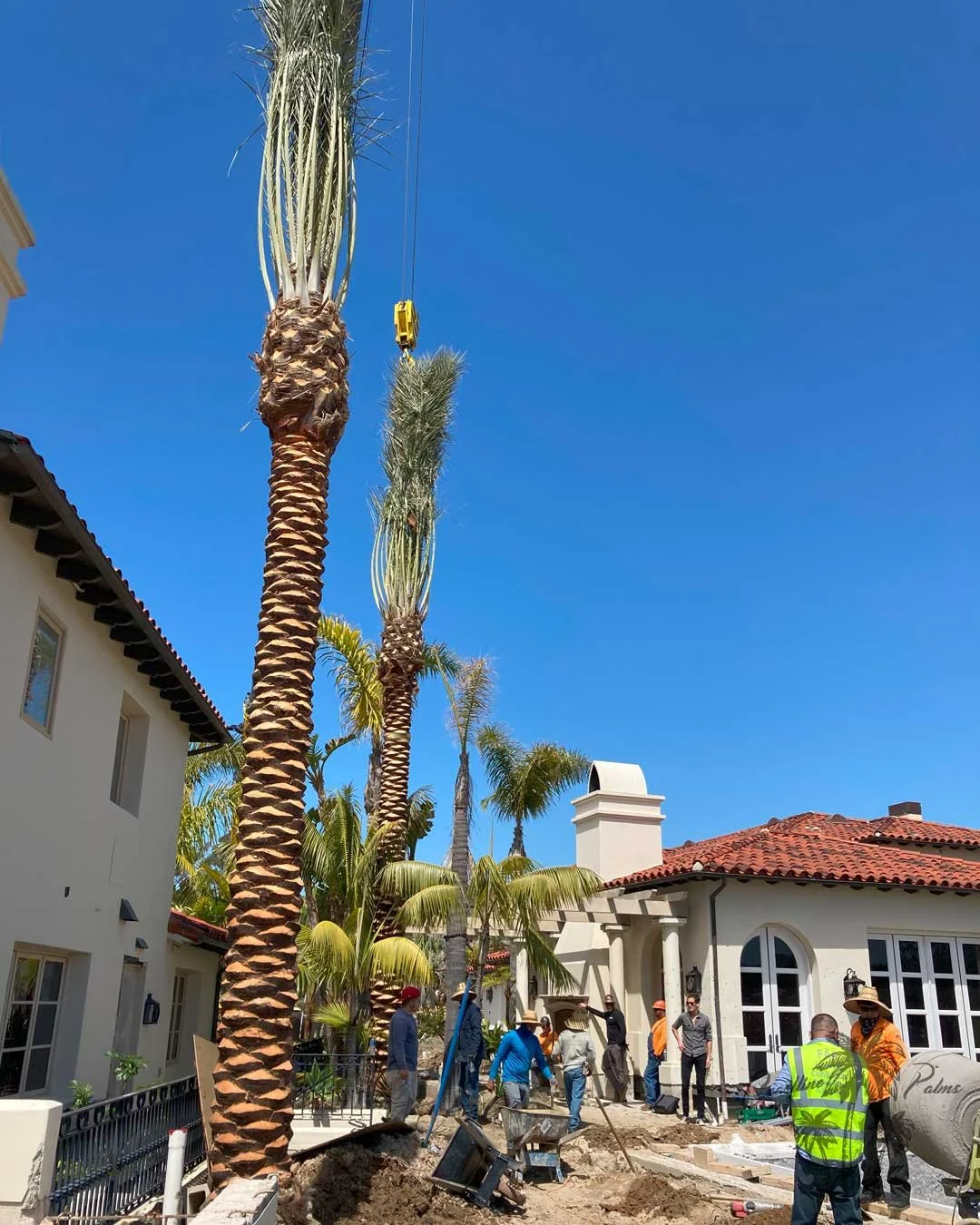
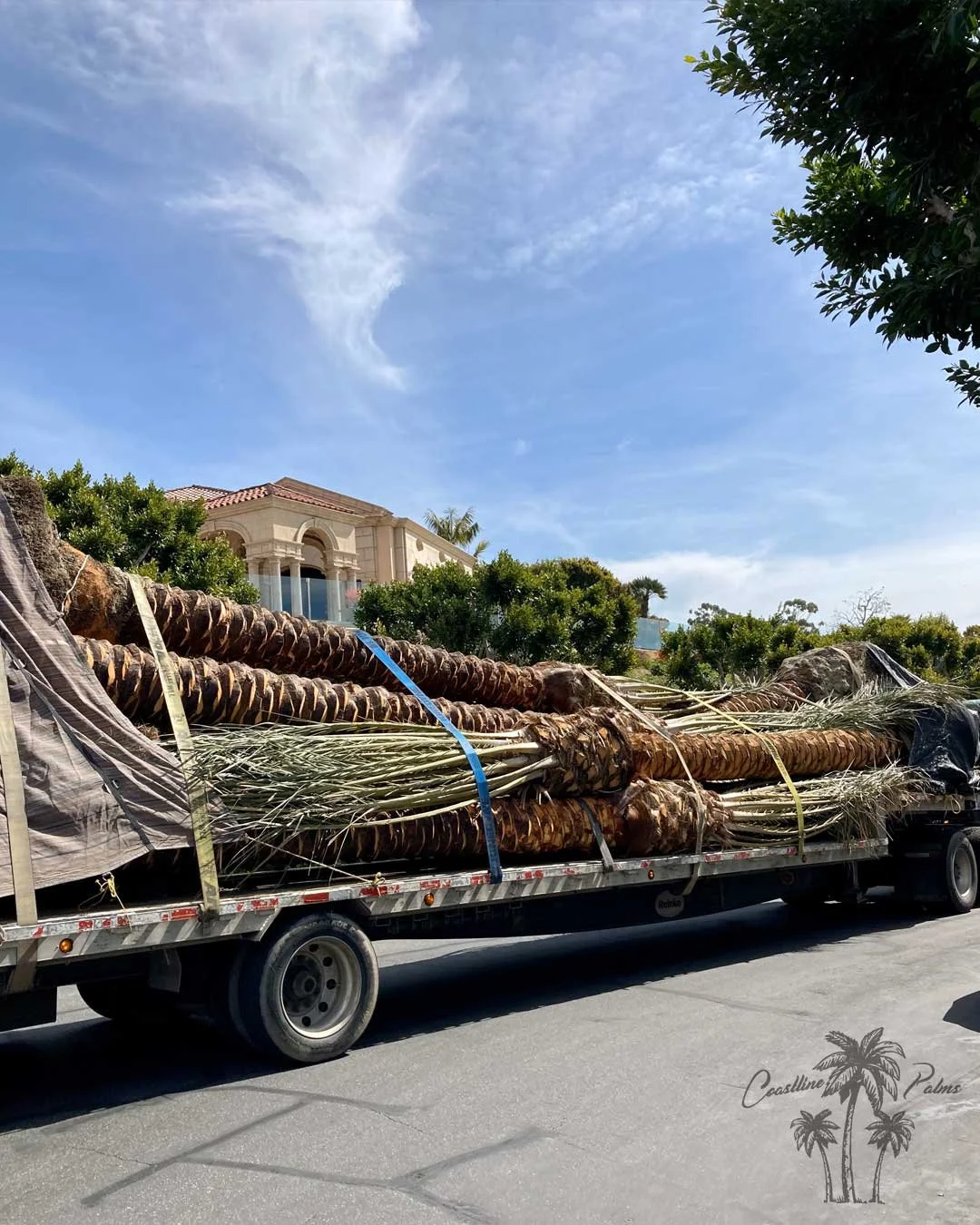
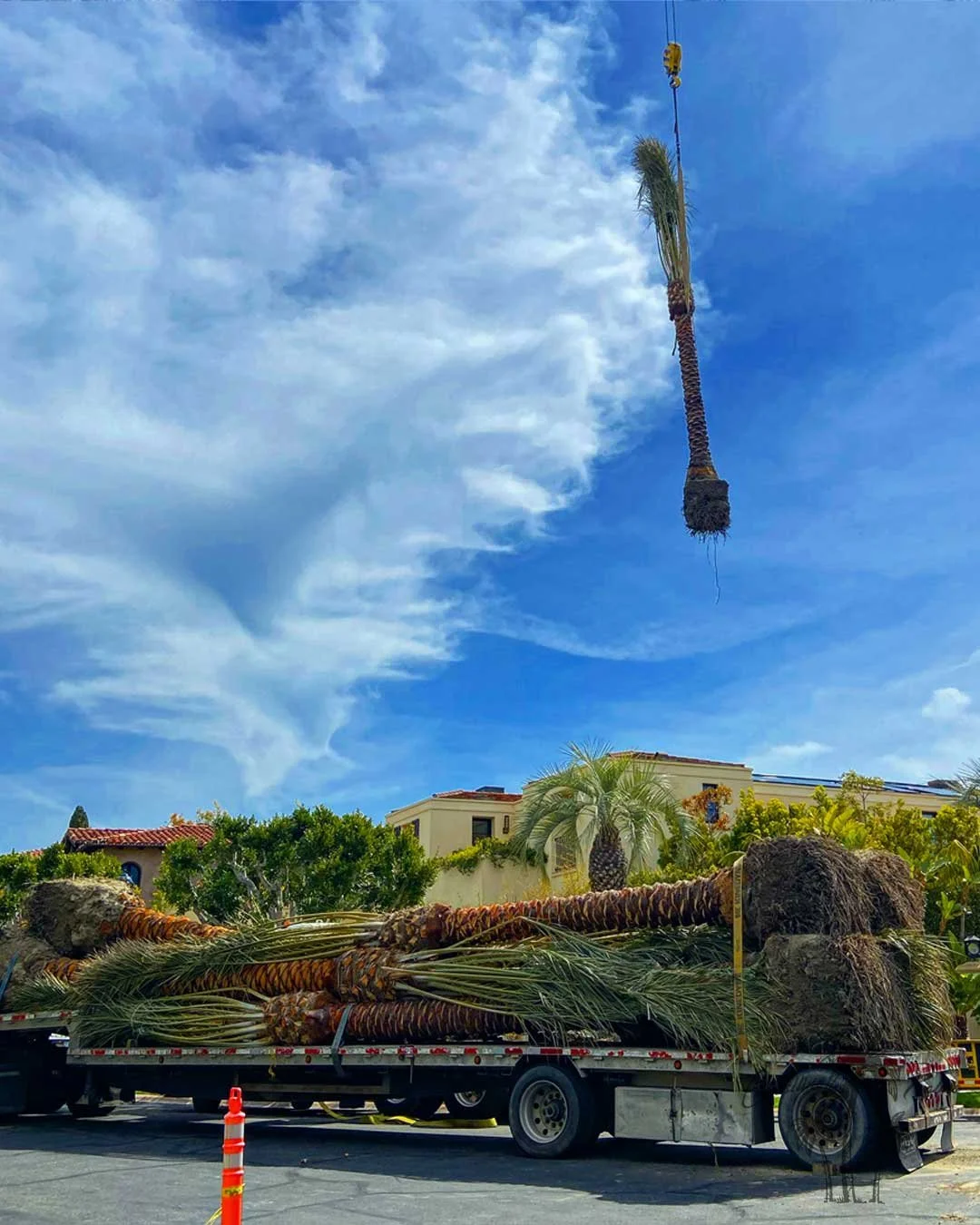
Based in Norco, California, Coastline Palms coordinates local, statewide, and nationwide delivery. Installation, machine offloading, and crane coordination are available depending on project requirements.
Hole digging and backfilling are available for qualifying local deliveries in the greater Los Angeles area. Share your location and site access to confirm the appropriate services.
Looking for Date Palms?
Tell us the size and quantity you need and where your project is located. We’ll follow up with suitable tree options and delivery details.
Prefer to talk?
(714) 455-9267
coastlinepalmtrees@gmail.com
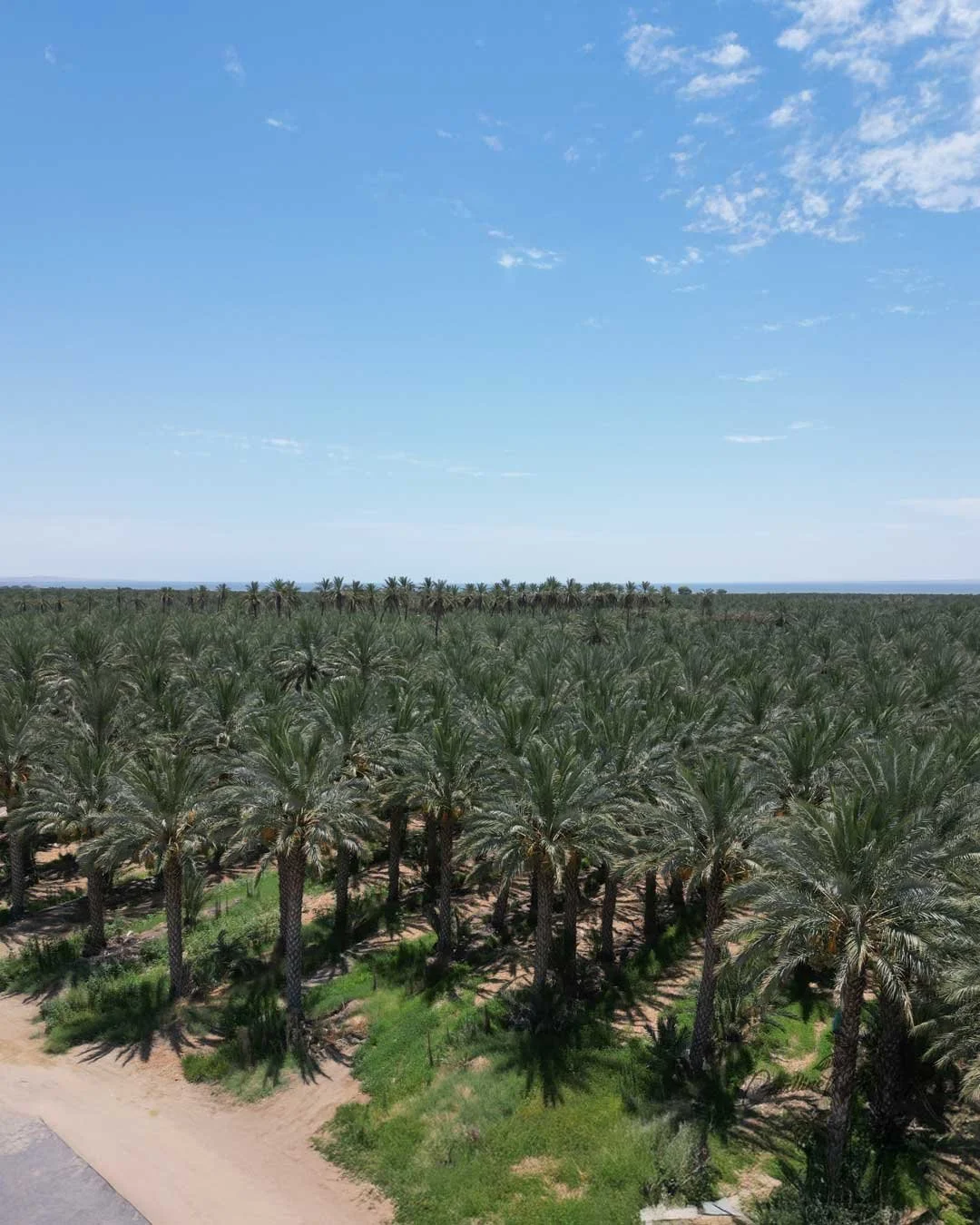
Date Palm
The date palm (Phoenix dactylifera) is a flowering plant species in the palm family, Arecaceae, renowned for producing the highly nutritious and sweet date fruit. This tree has been cultivated for thousands of years, with origins in the Middle East and North Africa, and it is well-suited to hot, arid climates. Date palms are prominent in Middle Eastern, North African, and South Asian cultures, both as a food source and as part of traditional medicine, landscaping, and economic trade.
Physical Description
Height: Date palms typically reach heights of 15–25 meters (49–82 feet).
Leaves: The tree has long, feather-like, pinnate leaves that can grow up to 3–6 meters (10–20 feet) in length. Leaves emerge from a single growing point at the top of the trunk in a dense canopy.
Trunk: The trunk is thick and textured, covered with the stubs of old leaf bases, giving it a rugged appearance.
Root System: Date palms have a fibrous root system and deep roots, helping them access water in arid environments.
Reproduction and Pollination
Date palms are dioecious, meaning that individual plants are either male or female. Only female trees produce fruit, and artificial pollination is often used to improve crop yields, as natural pollination is generally inefficient. The process involves transferring pollen from male trees to female flowers manually.
Date Fruit
Appearance: Dates are oval-cylindrical and vary in color from bright red to yellow and deep brown, depending on the variety.
Nutritional Content: Dates are highly nutritious, rich in natural sugars, fiber, vitamins (such as B-complex vitamins), and minerals like potassium, magnesium, and copper.
Uses: They are consumed fresh, dried, or processed into various forms such as date syrup, paste, and sugar. Dates are also used in desserts, baked goods, and savory dishes.
Varieties
There are hundreds of date varieties, with some of the most popular including:
Medjool: Known for their large size, soft texture, and sweet, caramel-like flavor.
Deglet Noor: Semi-dry and smaller, these dates are less sweet but often preferred for cooking.
Ajwa: Found mainly in Saudi Arabia, prized for its unique taste and religious significance.
Growing Conditions
Climate: Date palms thrive in hot and dry climates, enduring temperatures over 50°C (122°F) and occasional drought.
Water Needs: Although drought-tolerant, date palms require regular irrigation for high fruit yield. They grow best in regions with low humidity and saline soil tolerance.
Lifespan and Harvesting
Date palms can live and produce fruit for over 100 years. Harvesting typically takes place from late summer to early autumn, depending on the region and variety. Once dates are harvested, they may be processed, dried, or packed fresh for sale and export.
Cultural and Economic Significance
In addition to their role in nutrition, date palms are symbols of hospitality and fertility in Middle Eastern culture. They are often given as gifts and are a staple during Ramadan and other celebrations. Economically, dates are a significant agricultural product for many countries, particularly in the Middle East and North Africa, contributing substantially to local and global markets.
The date palm is a fascinating tree, combining resilience with a valuable fruit, and holds a central place in both history and modern agriculture.